“growth habits” search results (500)

Can drinking coffee fight cancer? Different points of view
"Why do foreigners drink coffee every day? An amazing secret you don't know! "more than 100000 people have read a single article in a short period of time. This seemingly popular science article lists nine benefits of coffee and even mentions its anti-cancer effect, saying that caffeine can inhibit tumor growth. If women could drink 4-6 cups of coffee a day, the incidence of breast cancer would be reduced by 25% and 70%. Actual situation
2015-08-04 Coffee anti-cancer different opinions why do foreigners drink coffee every day? Amazing secrets you don't know.
Flavor description of Yunnan Tieka Coffee with strong aroma introduction of high-quality coffee beans in the producing area
Typica and Bourbon, two classic high-quality coffee varieties, are the main coffee varieties in Yunnan. In 1991, Katimo Catimor series varieties were introduced from Kenya (with stronger anti-virus ability and higher yield). A variety of Arabian species (also known as small seed species). Because the morphology and habits of the two varieties are similar, the two varieties are mostly mixed. Iron
2016-09-26 Aroma rich Yunnan pickup coffee flavor description producing area characteristics boutique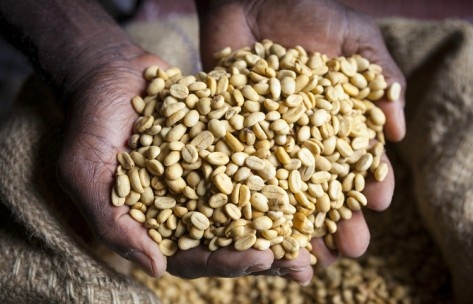
Taste characteristics of authentic Yunnan small-grain Coffee varieties from Tieka introduction to Fine Coffee beans in Manor
Typica and Bourbon, two classic high-quality coffee varieties, are the main coffee varieties in Yunnan. In 1991, a series of Catimor varieties were introduced from Kenya (stronger anti-virus ability and higher yield). A variety of Arabian species (also known as small seed species). Because the morphology and habits of the two varieties are similar, the two varieties are mostly mixed. Yunnan area
2016-09-03 Pickup authentic Yunnan small grains coffee variety taste characteristics manor boutique
Yunnan Tiekka Coffee Flavor Description Grindness Taste Characteristics Processing Method Introduction
Typica and Bourbon, two classic coffee varieties, are the main coffee cultivars in Yunnan Province. In 1991, Katimo Catimor series varieties (stronger virus resistance and higher yield) were introduced from Kenya. It is a variant of the Arabian species (also known as the small species). Because of the similarity of morphology and habits of these two varieties, they are often mixed and cultivated. iron
2016-10-10 mellow intense Yunnan pickup coffee flavor description grind taste appellation
Understand the planting techniques of herbal coffee
Planting techniques of herbal coffee 1. Planting time: April 15-25. Second, planting location: plain, hillside, wasteland, front and back house, forest and fruit tree seedlings can be planted, but should not be planted in tall trees or other unventilated places. Third, herbal coffee does not like flood and fertilizer, conditional planting can use farm manure, during the growth period, it is best to water 1-2 times in case of drought, absolutely
2014-07-30 Coffee planting planting technology coffee tree species
Coffee knowledge-about planting
The planting techniques of herbal coffee are as follows:
2014-05-23 Coffee knowledge coffee cultivation
Where did coffee originate? Coffee Culture in China
Where did coffee originate? Coffee culture in China: Speaking of coffee, the earliest origin is still very, but people know very little about coffee originating in Africa. In fact, Ethiopia in Africa is the first place where coffee appeared, where you will see the best coffee in the world. Coffee origin, produces the best coffee in the world
2015-11-03 Coffee Origin Where China Coffee Culture
Indonesian Coffee Arabica Coffee Flavor introduces the characteristics of Indonesian Coffee
Arabica coffee trees grow between 900m and 2000 m above sea level; they are hardy, and the suitable growth temperature is 1524 ℃; they need more humidity, and the annual rainfall is not less than 1500 ml. At the same time, they also require higher cultivation techniques and conditions. Arabica coffee beans are mainly grown in South America (except Argentina and parts of Brazil), Central American countries and Africa.
2016-08-03 Indonesia coffee rabbi manor producing area flavor taste introduction characteristics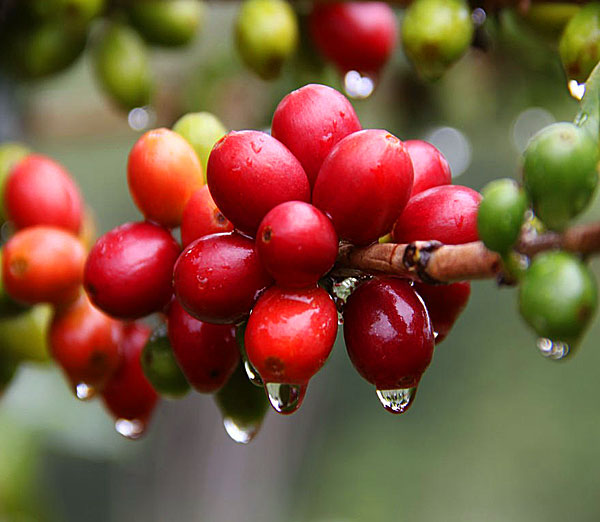
History of Arabica beans Arabica bean varieties derived from Arabica beans
The origin of the historical Arabica species (Coffea arabica) is the Abyssini Arabica sub-plateau (Abyssinia, now known as the Ethiopian plateau) in Ethiopia. In the early days, it was mainly eaten as medicine (Islamic monks used as a secret medicine to cure the body and mind or to awaken the brain), developed the habit of baking and drinking in the 13th century, and passed through the Arab region in the 16th century.
2016-03-22 Rabbi Kadou History Source Variety Card species Coffea
General knowledge of fine coffee detailed explanation of Yunnan small grain coffee
Origin: in 1892, French missionary Father Tian succeeded in growing coffee in a place called Zhukula in Yunnan. Up to now, there are still 24 coffee trees which are more than 90 years old in Zhukula Township. Zhu Kula is a mysterious, legendary and beautiful natural village, which belongs to the Zhukula Village Committee of Pingchuan Town, Binchuan County, Dali Prefecture. It is located on the banks of Yupao River, a tributary of the Jinsha River. It is a Dali Prefecture and Chuxiong.
2014-11-13 Coffee knowledge coffee common sense Yunnan coffee small grain coffee
Arabica Coffee Bean Coffee Manor introduction Arabica Coffee Manor
The origin of the Arabica species (Coffea arabica) is the Abyssini Arabica subplateau (Abyssinia, now known as the Ethiopian plateau) in Ethiopia. In the early days, it was mainly eaten as medicine (Islamic monks used as a secret medicine for physical and mental therapy or for awakening the brain), developed the habit of baking and drinking in the 13th century, and passed through Allah in the 16th century.
2016-07-11 Rabbi coffee beans coffee manor introduction rabbi card species Coffea a
Taste characteristics of authentic Yunnan small-grain coffee varieties introduction to the flavor of fine coffee beans in the manor
Typica and Bourbon, two classic high-quality coffee varieties, are the main coffee varieties in Yunnan. In 1991, a series of Catimor varieties were introduced from Kenya (stronger anti-virus ability and higher yield). A variety of Arabian species (also known as small seed species). Because the morphology and habits of the two varieties are similar, the two varieties are mostly mixed. Yunnan area
2016-09-02 Authentic pickup Yunnan small grains coffee varieties taste characteristics manor boutique
Change in traditional coffee stores
Behind the rise of the emerging model is the struggle of traditional baking stores.
2014-07-18 Coffee shop operation traditional coffee shop change
The variety of Yunnan small-grain coffee beans is Arabica? description of the taste and flavor characteristics of the tin pickup.
Typica and Bourbon, two classic high-quality coffee varieties, are the main coffee varieties in Yunnan. In 1991, a series of Catimor varieties were introduced from Kenya (stronger anti-virus ability and higher yield). A variety of Arabian species (also known as small seed species). Because the morphology and habits of the two varieties are similar, the two varieties are mostly mixed. Yunnan area
2016-09-01 Pickup authentic Yunnan small grains coffee varieties characteristics taste manor boutique
What are the varieties of small grain coffee in Yunnan? what are the flavor characteristics of iron pickup coffee beans in Yunnan?
Typica and Bourbon, two classic high-quality coffee varieties, are the main coffee varieties in Yunnan. In 1991, a series of Catimor varieties were introduced from Kenya (stronger anti-virus ability and higher yield). A variety of Arabian species (also known as small seed species). Because the morphology and habits of the two varieties are similar, the two varieties are mostly mixed. Yunnan area
2016-09-03 Pickup authentic Yunnan small grains coffee variety taste characteristics manor boutique
Coffee Knowledge Points: Detailed Analysis of Knowledge Points about Coffee Cultivation
I. Planting time: April 15 - 25. II. Planting location: plain, hillside, wasteland, house in front of house, forest fruit tree seedlings can be planted, but it is not suitable to plant in tall trees or other unventilated places. Third, herbal coffee does not like water and fertilizer, conditional planting can use farm manure, during the growth period in case of drought irrigation 1-2 times the best, absolutely do not allow the use of various fertilizers and
2015-12-24 coffee knowledge points about planting detail analysis time april
Rich aroma of Salvadoran Himalayan coffee flavor description taste characteristics of fine coffee beans
The city of El Salvador has a large number of 16th-century buildings and religious buildings, many of which are decorated with 17th-and 18th-century carvings and stripes made of colored mud, reflecting the characteristics of the colonial period. Its overall characteristics are described through a forest of monuments and consistent ideas. All this shows that El Salvador is a city with a suitable structure for the colony.
2016-10-06 Rich aroma El Salvador Himalayas coffee flavor description taste characteristics
Evolution Theory of Nestle Coffee Development
This time, Nestle Coffee is ready for a thorough rebranding. After more than 20 years in China, this old coffee brand has finally decided to make itself younger.
2014-07-16 Coffee brand Nestle Coffee Coffee Development
History and present situation of Coffee production
History of World Coffee production Coffee originated in the tropics of northern and central Africa. It has been cultivated for more than 2000 years, and the Arabs began to plant it in 525 BC. At first, coffee beans were only used for chewing. In 890 AD, Arab merchants brought coffee to Yemen and made it into a drink for the first time. By the 13th century, Arabs had become in the habit of stir-frying coffee, but to
2014-09-05 Coffee knowledge coffee production coffee status
The growth process from Coffee Tree to Coffee Bean
Coffee tree, a perennial evergreen shrub or small tree of Rubiaceae, is a horticultural perennial cash crop with the characteristics of fast growth, high yield, high value and wide market. Wild coffee trees can grow to a height of 5 to 10 meters, but coffee trees planted on the manor are often cut to less than 2 meters in order to increase their fruit and facilitate harvesting. The opposite leaves of coffee trees are long oval.
2016-05-06 Coffee coffee beans growth process production process